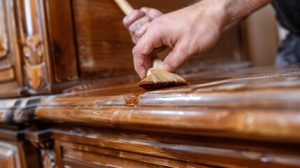
San Jose Cabinet Refinishing is an affordable way to give your home a fresh new look. However, it is important to understand the factors that influence cabinet refinishing cost so you can set an accurate budget.
The state of your cabinets is one of the most significant determining factors. If your cabinets are in disrepair, the prep process will be more extensive. This includes cleaning and degreasing, sanding, and making repairs.
Material
The material used to refinish cabinets can greatly affect the overall cost. Different materials have unique characteristics and properties, including strength, durability, appearance, and colorfastness. Solid wood, for example, provides a premium look and superior longevity. It also requires more care than other types of materials. Moreover, the type of stain or paint you choose will determine the final appearance of your cabinets. Generally, high-quality paints are more expensive than lower-grade ones. Additionally, the amount of labor required to apply a single coat of stain or paint can significantly increase your cabinet refinishing costs.
Refacing can require demolition and removal of existing doors, drawer fronts, and hardware. This process can also reveal hidden problems, such as water damage or structural issues, which must be addressed. It also involves sanding and cleaning of the existing framework. This process can add up to a significant sum, especially if your home is located in an urban area with high labor rates.
Cabinet refinishing is ideal for homeowners who want to refresh the appearance of their cabinets without breaking the bank. It can be done in a shorter timeframe than replacing them, and it offers the flexibility of changing the color or design of the existing cabinets. It’s also environmentally friendly, as it diverts hundreds of pounds of construction waste from landfills.
When deciding between refacing or refinishing, homeowners must take into account their budget and style preferences. Refacing can cost $4,000 to $9,000. However, it’s important to remember that the initial investment will pay off in the long run. Refinishing is a more affordable option, and it can save homeowners 50-70% of the cost of replacement.
Before applying a new finish, the cabinet surfaces must be cleaned and prepped. This includes light sanding, chemical stripping, wood filler for damaged areas, and a quality primer or waterborne polyurethane topcoat. It’s also recommended to test for lead-based paint and use containment to prevent harmful dust from escaping. Other items to consider are related projects, such as adding a backsplash or installing a new sink. All of these expenses can add up quickly.
Complexity
Cabinets are an essential part of any kitchen, but over time they can begin to show their age. The wear and tear of holiday feasts, weekday chaos, and general use can make your cabinets look dull and dated. As a result, you may be tempted to give them a facelift through cabinet refinishing or refacing. However, it’s important to consider the pros and cons of each option before deciding what the best choice is for your home.
The size of your cabinets will have a significant impact on your overall cabinet refinishing cost, as will the type of finish. Staining is a popular choice for homeowners who want to refresh their cabinets, but painting also allows them to dramatically change the look of the space. Similarly, adding additional features like crown molding will affect your final cost.
Another factor that will affect cabinet refinishing costs is the materials used for doors and drawer fronts. While standard wooden materials are inexpensive and readily available, more premium options like 3D laminate and wood veneer will increase the price significantly. Additionally, the complexity of your design will impact costs, as well. More intricate designs will require more labor and attention to detail than simple designs, which can drive up the price.
Before you can begin refinishing your cabinets, the surfaces will need to be stripped and prepped. This process will reveal any hidden issues like structural damage or water damage that will need to be addressed before refinishing. If these problems are not addressed prior to refinishing, they will likely resurface later on and may chip, scratch, or discolor more easily.
It is also important to understand that refinishing will not fix any existing issues with your cabinets. While it may cover up minor cracks and dings, it will not address any structural damage or misalignment problems. It is recommended that you hire a professional to refinish your cabinets in order to ensure that the job is done correctly. This will also help to protect your investment and guarantee a long-lasting finish.
Preparation
Refinishing cabinets is a great way to upgrade the look of your kitchen without the expense and disruption of a full cabinet replacement. However, it’s important to consider the costs associated with this process before committing to this project. This includes the cost of removing and replacing the old finish, as well as any related projects that may be necessary to complete the job. Professional painters can help you budget for these costs so that you don’t end up overspending on your remodel.
The number and size of your cabinets will also affect the cost of refinishing. Larger cabinets require more materials to cover, and this can increase the labor cost as well. Additionally, any hardware upgrades will add to the overall cost. This is particularly true for high-end hardware, which can be more expensive than standard options.
Before the new finish is applied, your cabinets will need to be prepped. This typically involves sanding and patching any damaged areas to prepare them for the new finish. This can also include tasks like stripping and cleaning to remove any grease or dirt that might be present on the surface of your cabinets.
Unlike a full cabinet replacement, which can take weeks or even months, cabinet refinishing is relatively fast. This means that you can return to your normal routine sooner and enjoy the refreshed appearance of your kitchen. Additionally, refinishing can save you money on materials and labor because you’re working with existing structures rather than buying new ones.
While refinishing is an excellent option for updating the look of your kitchen, it’s not ideal for addressing structural or functional problems. For example, refinishing can’t address misaligned doors or drawers. It’s also not as durable as refacing, and it can be more susceptible to chipping or scratching over time. This is especially true in high-traffic areas, such as near sinks or stoves.
In addition to saving money on material costs, refacing is the best option if you want long-term durability. Factory-finished materials are designed to withstand heat, moisture, and everyday wear. Refacing can last 15-20 years, making it the better choice for homeowners who are looking to update their cabinets for the long haul.
Labor
The amount of labor required for a cabinet refinishing project affects the overall cost. This includes the labor costs for prep work and painting. These tasks include addressing any problems, removing hardware and hinges, sanding surfaces, and applying primer to achieve smooth and even results. These tasks can increase the duration of the refinishing process and add to the total labor costs.
The type of paint used can also influence the price. High-quality paints offer better coverage and durability, but they typically cost more than lower-quality options. It’s important to choose a premium paint in order to ensure that the cabinets last longer and stay looking great.
A refinishing job can require several coats of paint, which takes time to dry between each application. In addition, the doors and drawer fronts must be removed from the cabinet frames to allow for access and sanding of the frame. All of these steps can increase the project duration and costs. Hiring professional contractors can reduce the amount of time needed for the job and save homeowners money in the long run.
Depending on the style and complexity of cabinet design, the cost can vary significantly. For example, if cabinets feature intricate moldings and carvings, the labor costs will be higher than for simpler designs. Cabinet size also plays a role, with larger cabinets necessitating more materials and more labor to refinish.
Other factors that affect the cost of cabinet refinishing include the cabinet box material, door style and customization, and hardware upgrades. The box materials can have a significant impact on the final cost of the project, as materials like particle board and MDF soak up moisture and can warp over time. Solid wood cabinet boxes offer a premium look and greater longevity, but they’re more expensive than the other options. Adding new hardware, like soft-close hinges and drawer glides, can also increase the cost of a refinishing job.