Water damage can happen when you least expect it, and when it does, the impact on a home or property can be significant. From burst pipes and appliance malfunctions to roof leaks and severe weather, water intrusion can disrupt daily life and cause lasting structural damage. Many property owners underestimate how quickly water damage can escalate, especially when moisture spreads into hidden areas of the structure. Water damage restoration is the process of removing water, drying affected materials, and restoring the property to a safe and stable condition. Acting quickly after water damage occurs can make a substantial difference in preventing long-term issues and reducing repair costs.
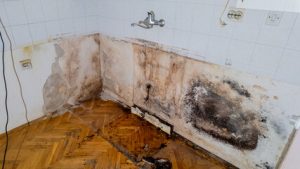
One of the biggest challenges with water damage is that it rarely remains confined to a single area. Water naturally spreads through porous materials such as drywall, flooring, insulation, and wood framing. Even a small leak can gradually travel into surrounding structures and create damage far beyond the initial source. When moisture seeps into these materials, it can weaken structural components and create conditions that allow other problems to develop. This is why Restore Draper efforts focus not only on visible water but also on the hidden moisture trapped within the building.
In many cases, water damage begins with an incident that seems relatively minor. A slow leak under a sink, a clogged drain, or an overflowing appliance may initially appear manageable. However, the longer water remains in contact with building materials, the more extensive the damage becomes. Moisture can penetrate deep into walls and floors, where it becomes difficult to detect without specialized tools. Over time, these damp conditions may cause warping, deterioration, and the breakdown of structural integrity. By addressing water damage early, property owners can prevent these problems from spreading and protect the overall stability of the building.
The restoration process typically begins with identifying the source of the water intrusion and stopping it as quickly as possible. Without eliminating the source of the problem, any cleanup efforts would only provide temporary relief. Once the water source is controlled, restoration professionals focus on removing standing water from the affected areas. This step is crucial because the presence of standing water accelerates the rate at which materials absorb moisture. Advanced extraction equipment can remove large volumes of water quickly, helping reduce the amount that soaks into floors, carpets, and other surfaces.
After the water has been removed, the next phase involves thoroughly drying the affected materials. This step is often more complex than many property owners expect. Even when surfaces appear dry, hidden moisture may remain trapped within walls, subfloors, and insulation. High-powered drying equipment and controlled airflow help remove this moisture gradually. Dehumidification systems are often used alongside air movement to draw moisture out of materials and stabilize humidity levels within the space. This careful drying process ensures that the property is not left with lingering dampness that could lead to further complications.
Another important aspect of water damage restoration is assessing which materials can be saved and which must be replaced. Not all building materials respond to water exposure in the same way. Some surfaces, such as tile or certain types of flooring, may tolerate moisture for a short period without permanent damage. Other materials, like drywall and insulation, are far more susceptible to deterioration when exposed to water. Restoration specialists evaluate these materials carefully to determine whether they can be restored through drying and cleaning or whether replacement is necessary to ensure the safety and durability of the structure.
Water damage also presents concerns related to indoor environmental conditions. When moisture remains within building materials for extended periods, it can create an environment that allows microorganisms to develop. This can affect air quality and produce unpleasant odors that linger in the home. Removing moisture promptly and thoroughly helps eliminate the conditions that allow these issues to develop. Restoration efforts often include sanitation and deodorization steps that help restore the indoor environment to a clean and healthy state.
Property owners should understand that water damage does not always appear immediately after an incident. Some forms of damage may develop slowly over time as moisture spreads and materials begin to deteriorate. Early warning signs can include subtle changes in the structure or appearance of interior spaces. Recognizing these signs can help homeowners address water problems before they escalate into more serious structural concerns.
Some common indicators of hidden water damage include:
- Discoloration or stains on ceilings and walls, which may indicate moisture seeping through building materials.
- Warping or buckling in flooring, suggesting that water has penetrated beneath the surface.
- Peeling paint or wallpaper, often caused by excess humidity or trapped moisture in walls.
- Persistent musty odors, which may signal the presence of damp materials or hidden moisture.
- Soft or weakened drywall, indicating that water has compromised the integrity of the wall structure.
When these warning signs appear, it is important to investigate the underlying cause rather than simply addressing the visible symptoms. Ignoring early signs of water damage may allow the problem to grow more severe and lead to costly structural repairs later on.
Another challenge associated with water damage is the potential for it to affect multiple layers of a building simultaneously. For example, water that enters through a damaged roof may travel down through insulation, drywall, and structural beams before reaching the floor below. Similarly, flooding or plumbing failures may allow water to seep beneath flooring materials and saturate subfloors and support structures. Because of this layered impact, restoration professionals must examine each affected area carefully to ensure that hidden moisture is removed.
Preventive maintenance plays an important role in reducing the risk of water damage in any property. While it is impossible to eliminate every potential cause of water intrusion, routine inspections and maintenance can help identify vulnerabilities before they become major problems. Regularly checking plumbing systems, roof conditions, and drainage areas around the home can help detect issues early and prevent water from entering the structure.
Property owners can also take practical steps to reduce the likelihood of water damage. Some helpful preventative measures include:
- Inspecting plumbing fixtures and pipes regularly to identify leaks or corrosion before they worsen.
- Maintaining proper drainage around the building so that rainwater flows away from the structure rather than toward it.
- Checking roofing materials and seals periodically to ensure that water cannot enter through damaged areas.
- Monitoring appliances that use water, such as washing machines and water heaters, for signs of malfunction.
These proactive habits can help homeowners detect problems early and prevent water from causing extensive damage. Even small maintenance tasks can make a meaningful difference in protecting a property from unexpected water-related issues.
Another important aspect of water damage restoration is the careful documentation and evaluation of affected areas. Restoration teams often use moisture detection tools to measure how deeply water has penetrated into structural materials. These tools help identify hidden pockets of moisture that might otherwise go unnoticed. By locating these areas early, restoration efforts can focus on removing moisture before it has time to cause further deterioration.
Once the drying process is complete, restoration work may involve repairing or replacing damaged materials to restore the property to its original condition. This phase can include installing new drywall, refinishing flooring, repainting walls, or repairing structural elements that were affected by moisture. The goal is to ensure that the property is not only dry but also structurally sound and visually restored.
Water damage restoration is not simply about removing water from a property. It is a comprehensive process designed to protect the long-term integrity of the building. When performed thoroughly, restoration helps ensure that hidden moisture does not remain trapped within structural materials. This careful approach prevents lingering problems that could compromise the safety and stability of the property over time.
Another benefit of addressing water damage promptly is the preservation of personal belongings and interior furnishings. Items such as carpets, furniture, and textiles may be salvageable if they are dried and cleaned quickly. The longer these materials remain exposed to water, the more difficult it becomes to restore them. Rapid restoration efforts increase the chances that valuable possessions can be saved rather than replaced.
Ultimately, water damage restoration is about protecting both the physical structure of a property and the well-being of the people who occupy it. Moisture that remains hidden within walls and floors can create ongoing issues that affect comfort and safety. By responding quickly and ensuring that every affected area is thoroughly dried and repaired, property owners can prevent small water incidents from turning into major structural challenges.
Understanding how water damage spreads and how restoration works empowers homeowners to respond effectively when problems arise. While water damage can be disruptive and stressful, taking immediate action and addressing the issue properly helps restore the property and prevent further complications. With the right approach, even significant water damage can be resolved, allowing the home to return to a safe, comfortable, and functional living environment.